


Key Takeaways:
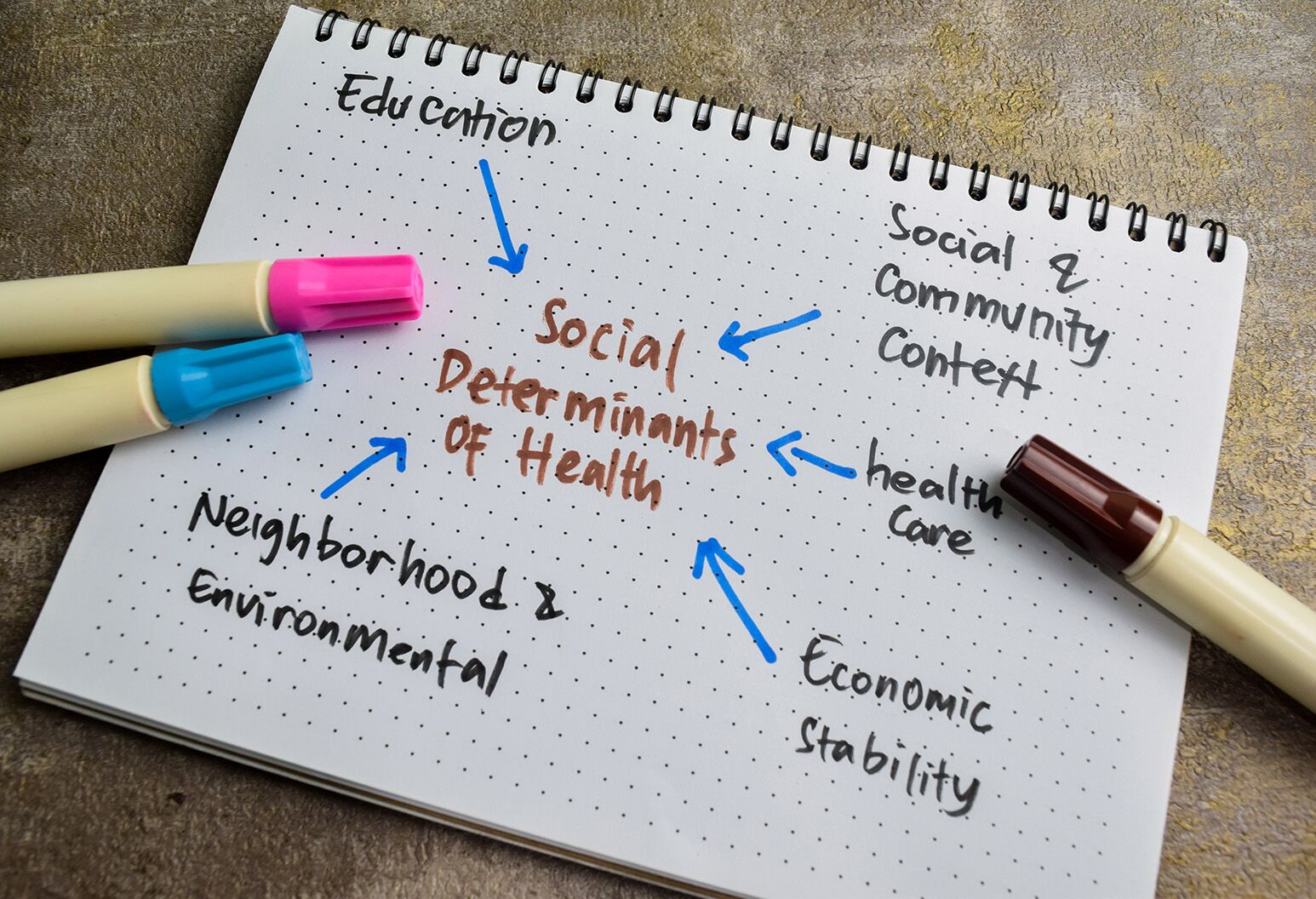
- Economic stability SDOH plays a crucial role in individual and community health outcomes, influencing access to essential resources and opportunities.
- Addressing unemployment, income inequality, and poverty are vital for improving health equity and fostering healthier populations worldwide.
- Global insights reveal that policies promoting fair wages, affordable housing, and accessible education can significantly impact economic stability SDOH and overall well-being.
Social Determinants of Health (SDOH) are the non-medical factors that influence health outcomes. These are the conditions in which people are born, grow, live, work, and age. They encompass a wide range of social, economic, and environmental factors, one of the most critical being economic stability SDOH. A person’s financial security profoundly impacts their health and well-being, influencing everything from access to nutritious food and safe housing to quality healthcare and education.
Understanding the Core of Economic Stability SDOH
Economic stability SDOH encompasses several key elements that directly affect an individual’s or a household’s financial security. These include income, employment, and the security of resources. Stable income provides the means to afford basic necessities like food, shelter, and healthcare. Employment offers not only financial security but also a sense of purpose and social connection. Access to secure resources, such as affordable housing and transportation, further supports economic stability SDOH.
The absence of these elements creates a cycle of poverty and poor health. For example, individuals experiencing unemployment may face food insecurity, leading to malnutrition and related health problems. Unstable housing can lead to stress, exposure to environmental hazards, and difficulty accessing healthcare services. These challenges are not isolated incidents but rather interconnected factors that exacerbate health disparities.
The Far-Reaching Impacts of Economic Stability SDOH
The influence of economic stability SDOH extends far beyond individual health. It profoundly affects communities and societies at large. High rates of poverty and unemployment can lead to increased crime, social unrest, and decreased productivity. Furthermore, unequal access to economic opportunities perpetuates health disparities across different demographic groups.
Children growing up in economically unstable households often face significant disadvantages, including poorer educational outcomes, increased exposure to stress, and limited access to healthcare. These early life experiences can have long-lasting consequences, affecting their health and well-being throughout their lives. Addressing economic stability SDOH is therefore essential for creating a more equitable and healthy society for all. We have data that 50 gb of such data shows a clear correlation between income and health outcomes.
Global Perspectives on Economic Stability SDOH
While the challenges of economic stability SDOH are universal, the specific manifestations and solutions vary across different countries and regions. In low-income countries, widespread poverty and lack of access to basic resources are major drivers of poor health outcomes. In high-income countries, income inequality and job insecurity can create significant health disparities, even among those who are employed.
For example, in some parts of the world, access to microfinance and entrepreneurship programs has proven effective in empowering individuals and communities to improve their economic stability SDOH. In other regions, policies promoting fair wages, affordable housing, and accessible education have shown promising results. Learning from these global experiences is crucial for developing effective strategies to address economic stability SDOH and promote health equity worldwide.
Strategies for Improving Economic Stability SDOH
Addressing economic stability SDOH requires a multi-faceted approach that involves collaboration across different sectors, including healthcare, education, social services, and government. Some key strategies include:
- Promoting employment opportunities: Creating job training programs, supporting small businesses, and investing in infrastructure projects can help to increase employment rates and provide individuals with stable incomes.
- Increasing access to affordable housing: Developing affordable housing options, providing rental assistance, and enforcing fair housing policies can help to ensure that everyone has access to safe and stable housing.
- Strengthening social safety nets: Expanding access to food assistance programs, unemployment benefits, and healthcare services can help to cushion the impact of economic hardship and prevent health problems.
- Investing in education: Providing access to quality education and job skills training can help to increase individuals’ earning potential and improve their long-term economic stability SDOH.
- Advocating for policy changes: Supporting policies that promote fair wages, paid sick leave, and affordable childcare can help to create a more equitable and supportive environment for working families.
By implementing these strategies, we can begin to address the root causes of economic stability SDOH and create healthier, more prosperous communities for all.


